

A Profession Confronts the Machine
Artificial intelligence is no longer a speculative frontier. From automated drafting tools to predictive analytics, algorithmic systems now shape how knowledge is produced, decisions are influenced, and work is organised across industries. The legal profession—long insulated by tradition and formality—is no exception. What is new, and unsettling, is the speed with which these technologies are approaching the core of legal reasoning itself.
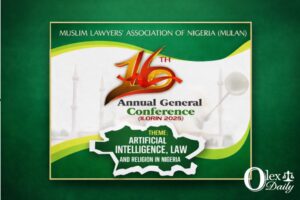
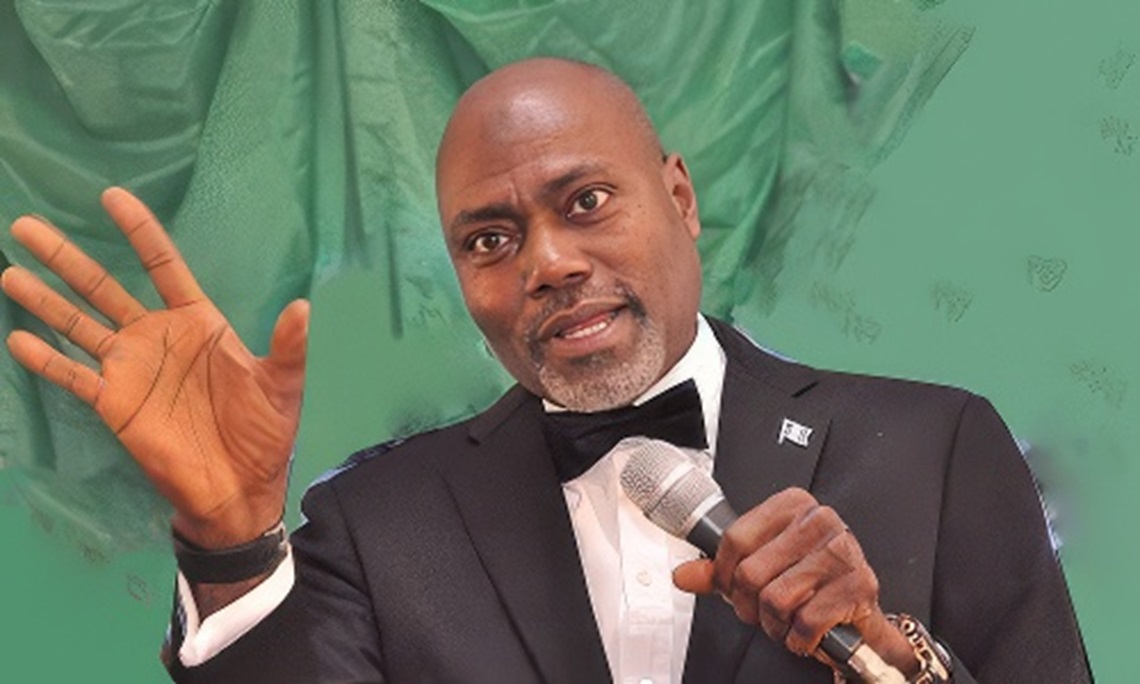
That tension framed a paper presented at the 16th Annual General Conference of the Muslim Lawyers Association of Nigeria (MULAN) 2025, where Yusuf Ali, SAN, challenged Nigerian lawyers to confront a future advancing faster than institutional comfort allows. His intervention was neither futurist speculation nor technological evangelism. It was a measured insistence that artificial intelligence is already altering how law is practised—and that denial now carries professional risk.
Beyond Optimism, Beyond Panic
The paper’s central contribution lay in its balance. The learned silk acknowledged the tangible benefits AI already brings to legal work: accelerated research, efficient document review, assistance with pattern recognition in litigation, and support for case management. Properly deployed, such tools can relieve lawyers of repetitive labour and create space for higher-order reasoning and advocacy.
Yet the argument was, at its core, cautionary. The Nigerian legal profession, he warned, is structurally and culturally unprepared for the scale of transformation underway. Legal systems may evolve incrementally, but technology does not wait for institutional readiness. The result is not merely inefficiency, but vulnerability—ethical, professional, and systemic.
Structural Weaknesses in Plain Sight
Several obstacles complicate meaningful AI integration into Nigerian legal practice. Weak digital infrastructure, prohibitive licensing costs for advanced legal technologies, cybersecurity risks, and a widespread deficit in AI literacy among practitioners together expose a profession attempting to adopt advanced tools without the ecosystem required to use them safely or intelligently.
Most concerning is Nigeria’s dependence on foreign-built legal AI systems. Designed primarily for United States and United Kingdom jurisdictions, many embed procedural assumptions, doctrinal shortcuts, and data models that sit uneasily with Nigerian law. Without local innovation, contextual adaptation, and regulatory oversight, the profession risks outsourcing not just tools, but legal logic itself—an outcome the learned silk characterised as a form of digital dependency.

The Bar’s Institutional Responsibility
A significant portion of the paper addressed the role of the Nigerian Bar Association (NBA). The challenge posed by artificial intelligence, Yusuf Ali, SAN argued, is not merely technical; it is institutional and ethical. As custodian of professional standards, the Bar must shape how AI enters legal practice rather than react to it after harm occurs.
This responsibility has concrete implications. Reforms in legal education are required. AI literacy must be institutionalised within continuing legal education programmes. Structured engagement between the profession and technology developers is no longer optional. Most critically, regulation must move beyond soft guidance. While welcoming the NBA’s Guidelines on the Use of Artificial Intelligence in Legal Practice as a commendable first step, the learned silk was unequivocal: guidelines cannot substitute for enforceable law. Accountability, malpractice exposure, data protection, and algorithmic fairness require statutory backing, not voluntary compliance.
Professional Competence and Doctrinal Stress
Beyond regulation, artificial intelligence places pressure on core doctrines of professional responsibility. Competence, diligence, confidentiality, and supervision—long understood in human terms—must now be reinterpreted where lawyers rely on algorithmic tools. Errors generated or amplified by AI systems raise difficult questions: who bears responsibility when a machine-assisted judgment proves defective, and what standard of care applies to the lawyer who relied upon it?
In this sense, unpreparedness has consequences. It increases malpractice risk, undermines public trust, and leaves the profession exposed to regulatory capture by technologies it does not fully understand. The issue is not resistance to innovation but the absence of a principled framework within which innovation operates.
Tradition, Resistance, and Ethical Anxiety
The paper also addressed the profession’s internal resistance to artificial intelligence. Nigerian legal practice remains deeply human-centered, valuing discretion, experience, and cultural intuition alongside doctrine. Algorithmic intervention, therefore, provokes unease—not only about competence but about professional identity itself.
Rejecting the simplistic framing of “lawyers versus machines,” Yusuf Ali, SAN argued that artificial intelligence is not inherently a replacement for legal professionals. Its real threat lies elsewhere: lawyers unwilling to adapt risk being outpaced by those who can integrate new tools without abandoning ethical judgment. The displacement to fear is not human by machine, but static practice by adaptive practice.
Reimagining Legal Professionalism
In closing, the learned silk offered a vision of the lawyer of the near future: technologically literate, ethically grounded, and institutionally engaged. Familiarity with digital systems, data rights, and algorithmic accountability will no longer be optional competencies. They will be integral to competent representation and the preservation of public confidence in the profession.
The challenge, as he framed it, is not to abandon tradition but to preserve its ethical core while updating the tools through which justice is pursued. Artificial intelligence, unmanaged, can erode professional standards. Governed wisely, it can strengthen them.
The crossroads now facing Nigeria’s legal profession is therefore not about technology alone. It is about whether law will shape the machine—or quietly be reshaped by it.